150+ Lighting Companies Raise Prices This Year as Signify Kicks Off Its Sixth Round of Hikes: When Will This Cost-Driven Wave Peak?
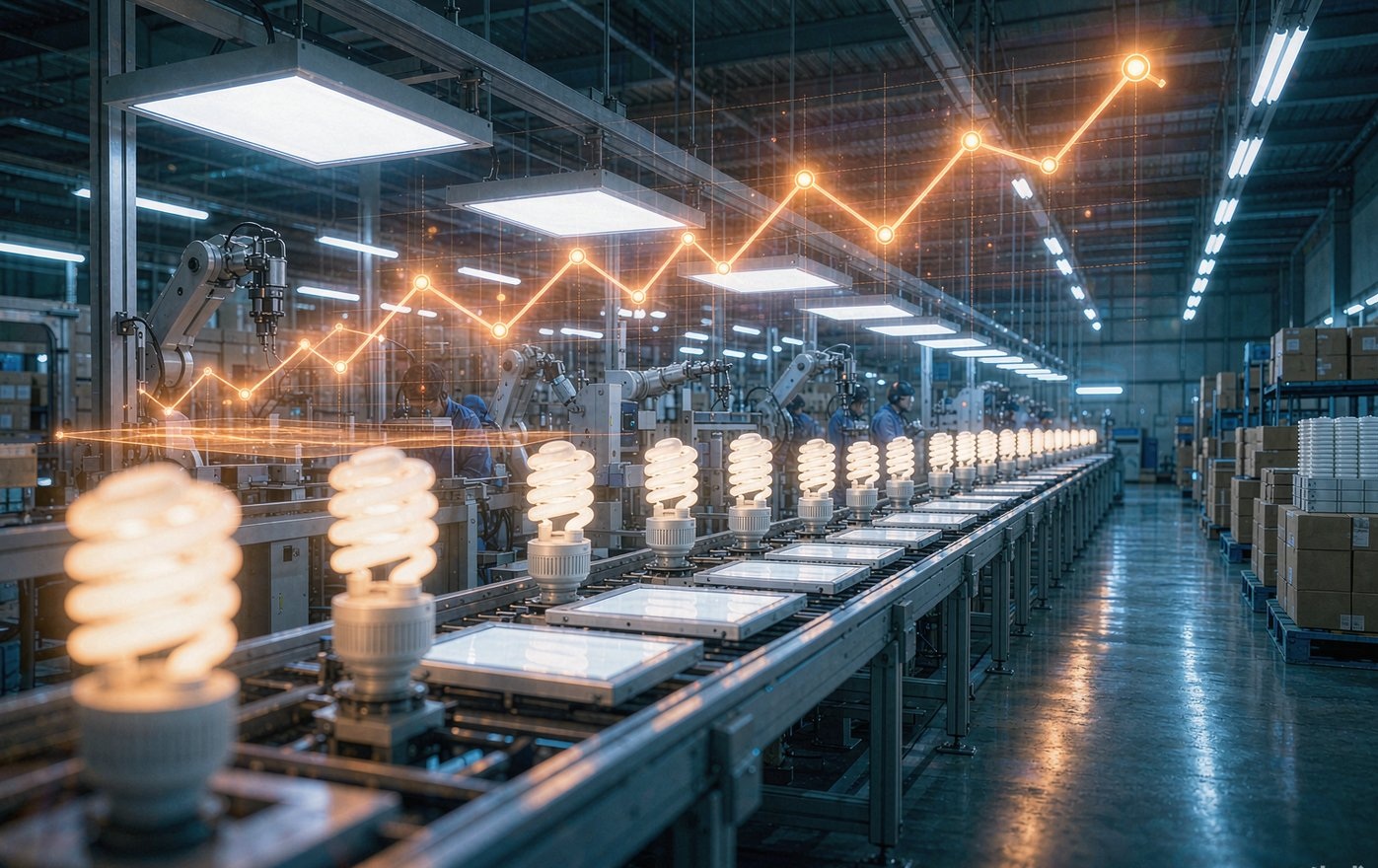
Effective October 1, Signify announced a 10%–15% price increase across its Philips and Studiomodule LED OEM product series (outdoor/indoor power supplies, LED modules and accessories) — the company’s sixth round of hikes this year. Looking across 2026 as a whole, more than 150 domestic and international lighting companies have issued price adjustment notices, covering virtually the entire product chain from light sources, drivers and modules to finished luminaires.
Signify’s Sixth Round Targets Core Components
On July 1, Signify had already raised prices on Philips CertaDrive SPS 24VDC switching power supplies by 4.5%–9%, with OEM driver supply prices adjusted upward in step. In October, the scope widened further to outdoor power supplies, indoor power supplies, LED modules and accessories, with increases of 10%–15%. Notably, OEM drivers and modules are the core components of luminaire makers — meaning cost pressure is accelerating down the chain.
The List Keeps Growing: From Driver Makers to Luminaire Manufacturers
Besides Signify, several lighting companies have implemented price adjustments in recent weeks:
| Company | Effective | Increase | Stated Reason |
|---|---|---|---|
| Unilumin | Sep 5 | Moderate increase | Significant rise in core material procurement costs |
| Yealink/Leyard | Sep 10 | All product lines | Global supply chain volatility; rising component costs |
| Inventronics | Sep 1 | ~5%–15% | Supply chain volatility; extended lead times for key materials |
| Moso/Maoshuo Electronics | Sep 1 | ~5%–15% | Continued increases in PCB and semiconductor costs |
| Aiko | Sep 1 | 10%–30% | Aluminum, copper and core electronic components at historic highs |
According to GT Lighting Media, more than 150 domestic and international lighting companies have issued price adjustment notices since the start of 2026, spanning light sources, drivers, modules and finished luminaires, with increases ranging from 3% to more than 30%.
Cost-Push, Not Demand-Pull
The stated reasons across all these notices are strikingly consistent: aluminum, copper and other metal materials, plus core electronic components, running at elevated prices. This is a classic cost-push price wave rather than a demand-pull one — the ceiling on increases is set by the raw material market, and many companies simply “have no choice but to raise prices.”
For distributors, upstream purchase prices keep climbing while end-market prices cannot easily follow — squeezing margins from both directions. For smaller companies with weak risk resilience, some are already in deep profit contraction or outright losses.
Essentially Supply-Side Consolidation: Smaller Capacity Exits, Concentration Rises
Wave after wave of price increases is, at its core, a concentrated expression of supply-side adjustment. With raw material prices showing no clear sign of retreat, the upward trend is unlikely to reverse in the short term, and more companies are expected to follow with adjustments. The divergence is becoming ever clearer: smaller capacity is exiting faster, and industry concentration keeps rising.
For downstream luminaire makers and channel partners, the current watchwords are lock in prices, stock up wisely, and control inventory. Until the raw material cycle peaks and turns, locking in written price cycles with upstream suppliers will be the key to riding out this wave.