On the Ground at the 35th Guzhen International Lighting Fair: AI, Green Light, and a Global Buying Frenzy in China’s Lighting Capital
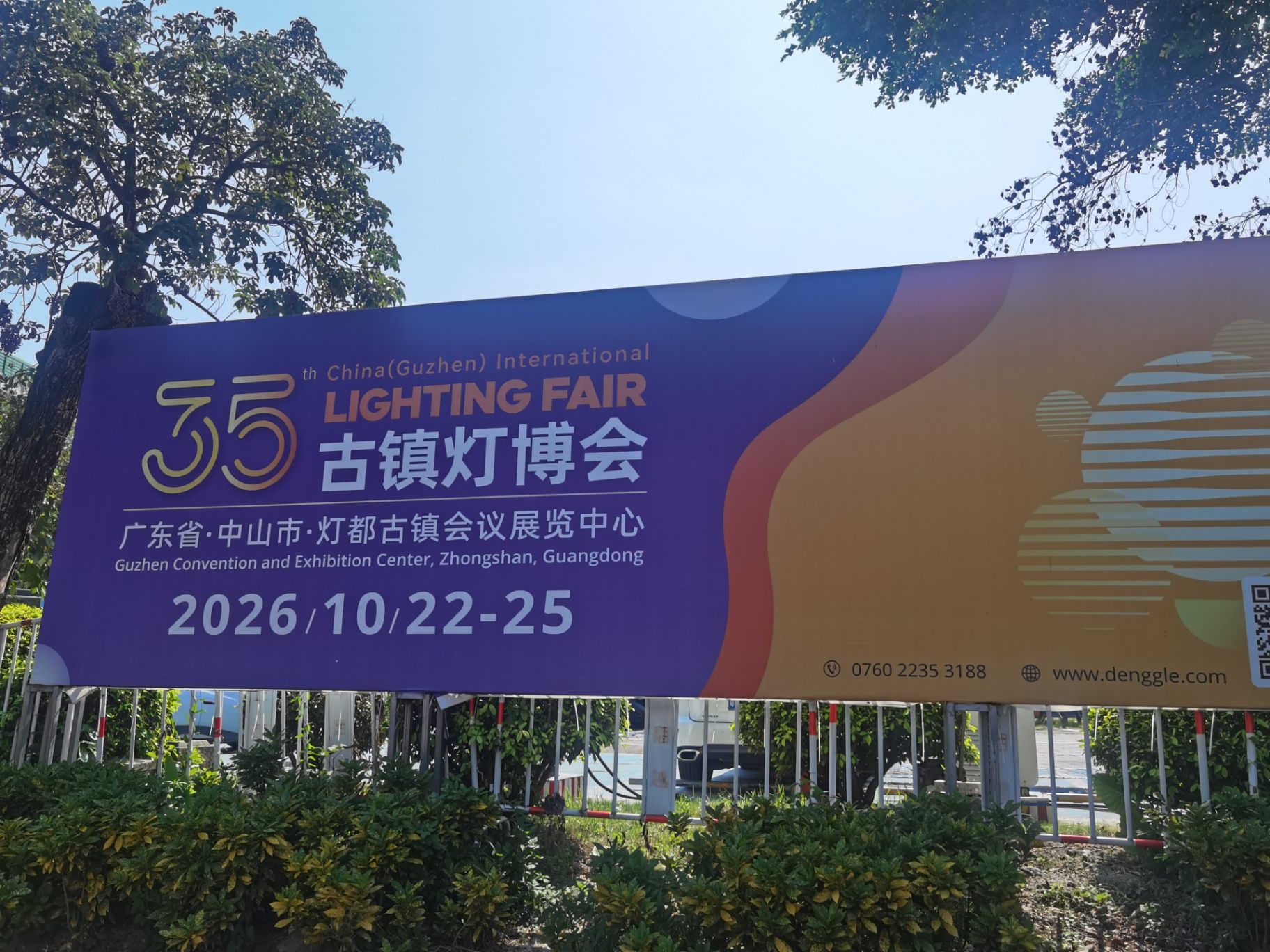
On October 22, the 35th China (Guzhen) International Lighting Fair (Autumn Edition) opened its doors at the Guzhen Convention and Exhibition Center in Zhongshan, Guangdong — the town known as “China’s Lighting Capital.” We spent opening day walking the halls, and the short version is this: the lights are on, the world showed up, and the industry is clearly repositioning itself around AI, health, and green technology.
A Fair That Has Grown Into a Global Sourcing Platform
What began in 1999 as a roadside order fair has matured into one of the world’s most important lighting trade platforms. The fair is approved by China’s Ministry of Commerce, holds UFI international certification, and this year earned two new distinctions: it was selected into the “2026 Consumer Famous Brands National Tour” list jointly issued by the Ministry of Industry and Information Technology and the Ministry of Culture and Tourism — the only lighting-industry event on the list — and into Guangdong Province’s “Yue Mao Quan Guo” catalog.
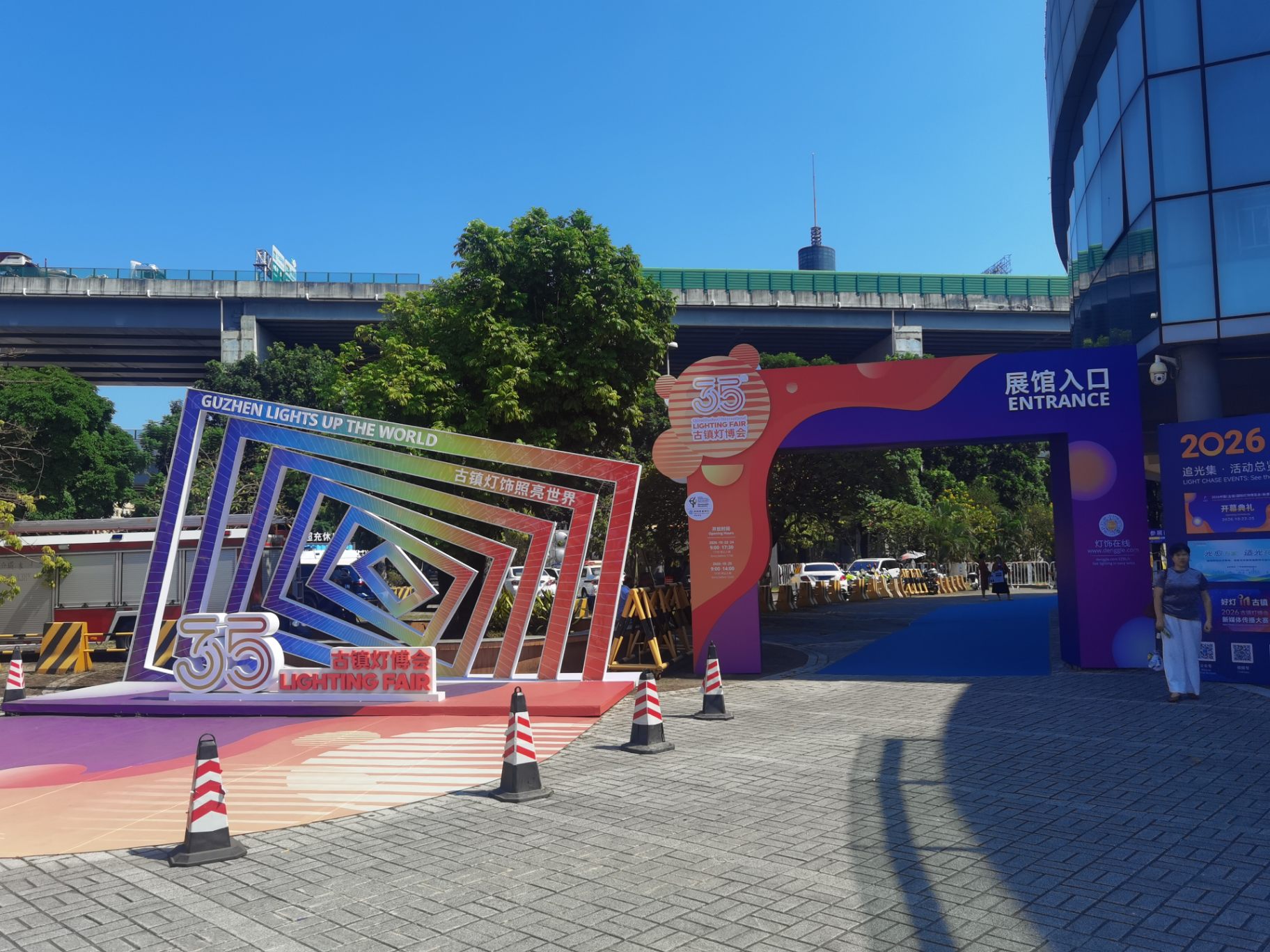
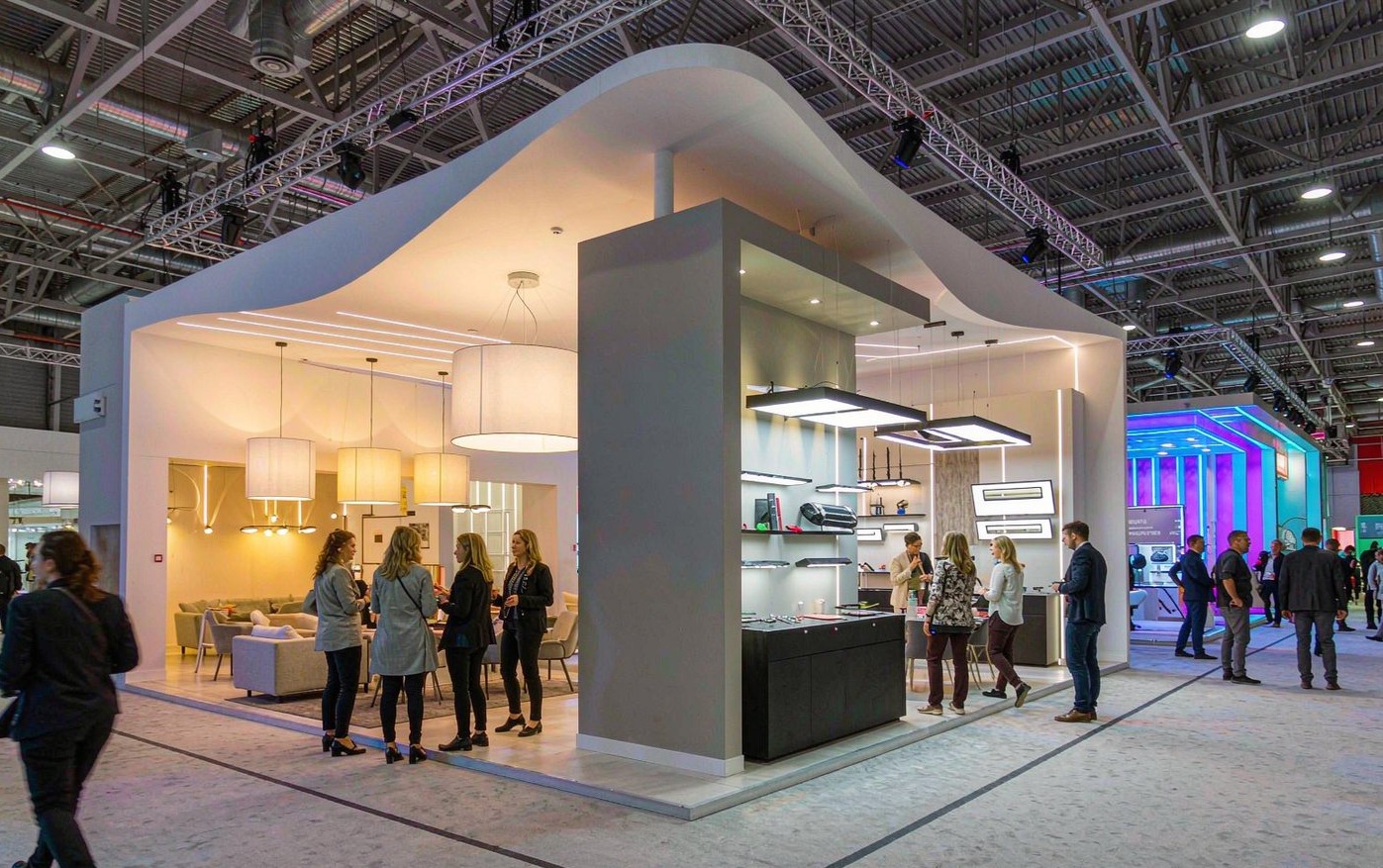
The scale is hard to overstate. Following the “1+8+N” model, the main venue is joined by eight professional lighting marketplaces across the town, creating a total exhibition and trading area of over 1.5 million square meters. More than 3,600 exhibitors brought over 100,000 original new products. By noon on October 21 — before the doors even opened — nearly 50,000 visitors had completed registration, including more than 6,000 overseas buyers from 126 countries and regions. Walking the aisles on day one, you could hear Portuguese, Arabic, Hindi, Spanish, and Russian being negotiated side by side with Mandarin and Cantonese.
Seven Halls, One Clear Direction: From Selling Lamps to Selling Light
The upgraded main venue follows a “one hall, one theme” layout:
- Hall A — smart lighting and engineering/brand showcase
- Hall B — decorative, residential, and commercial lighting
- Hall C — outdoor, landscape, and cultural-tourism lighting
- Halls D & E — smart manufacturing, machinery, accessories, and supply chain
- Hall F — whole-home intelligence and soft furnishing
- Hall H — emerging brands and cross-border sourcing
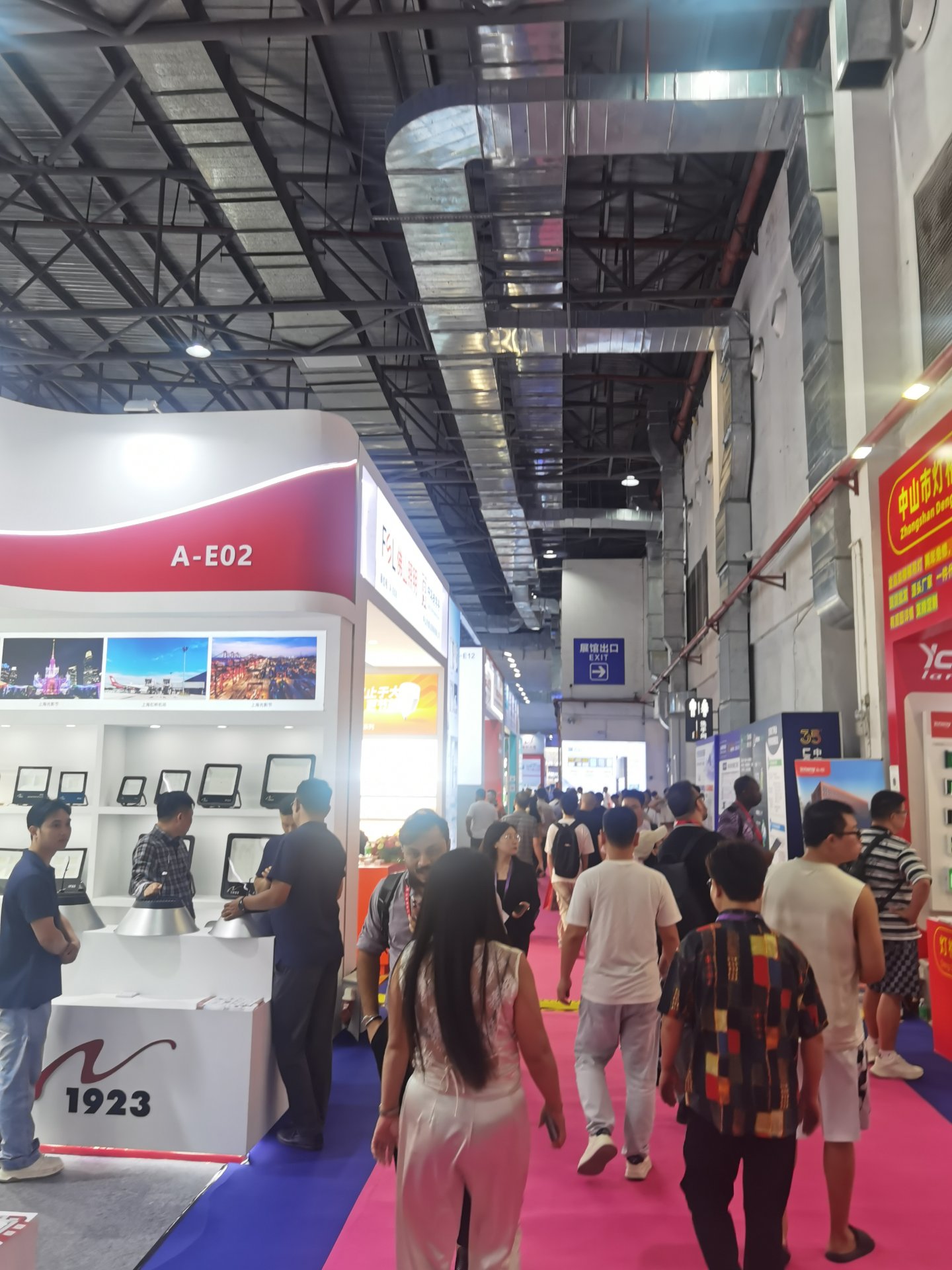
Three industry trends dominated the product displays:
- AI smart integration. Large-language-model-driven control systems, “light that follows people” immersive experiences, and cross-brand smart-home ecosystems. The opening ceremony even saw the signing of a ZTE-partnered “Yue Jiadian” open interoperability lab to push national smart-home connectivity standards.
- Healthy lighting. Classroom lighting built to the new national standards, human-centric (circadian) lighting, and aging-friendly products have moved from concept catalogs to real, orderable SKUs.
- Green and low-carbon. High-efficiency LED, PV-plus-storage lighting solutions, and compliance with newly effective national standards such as GB 30255-2026 (LED energy efficiency) and GB 26572-2025 (hazardous substance restrictions).
The message from exhibitors was consistent: the industry is shifting from price wars to value competition — from “selling lamps” to “delivering light environments and services.” Shanghai Yaming (booth A-E02), for example, highlighted new voltage-adaptation technology for industrial lighting, while exhibitors like NVC’s fire-safety subsidiary stressed full 3C-certified product matrices over flashy design.
Deals Happening on the Spot
This is a sourcing fair, not a concept show. Opening day saw buyers carrying shopping lists straight to target booths, comparing samples, and placing orders. Organizer programs added real trade muscle:
- Nine professional buyer delegations (smart lighting, decorative lighting, linear lighting, wholesale channels, full-category, and smart lighting), with C-level decision-makers bringing concrete purchase plans.
- Five online business-matching sessions in Hall H — four overseas sessions and one domestic — using a “pre-survey → targeted invitations → one-on-one negotiation” mechanism covering Southeast Asia, South Asia, Europe, the US, and Africa.
- A Hosted Buyer Program offering international buyers free accommodation, meals, transfers, and tailored factory visits.
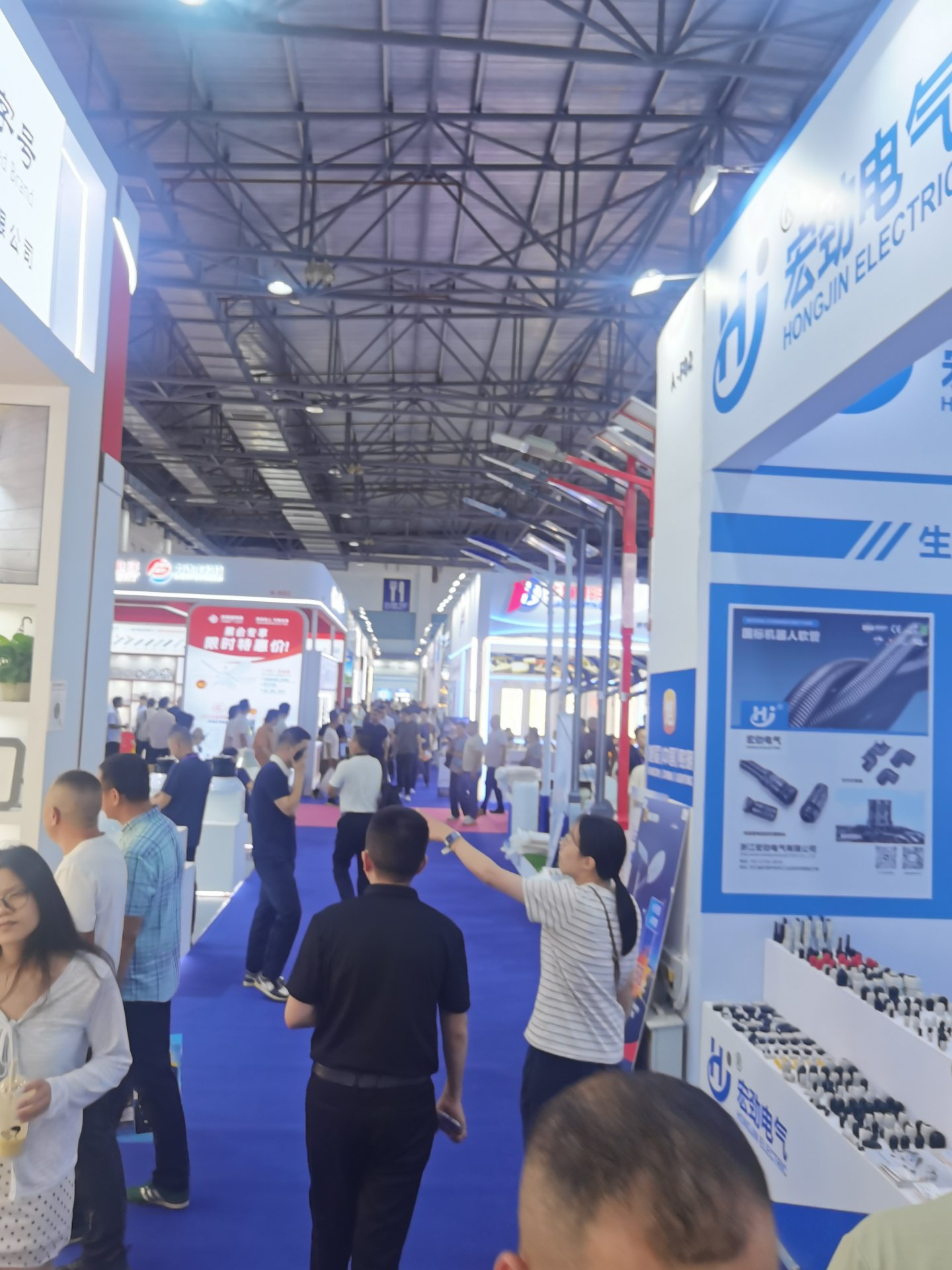
Three industrial projects were also signed at the opening ceremony — Meituan’s AI-powered unmanned delivery vehicles for factory logistics, a cross-border e-commerce selection center for lighting exports, and the smart-home interoperability lab — signaling that the fair is now building industry infrastructure, not just exhibiting products.
The Honest Caveats: Where the Fair Still Falls Short
No report is complete without the rough edges. From on-site observation and industry commentary:
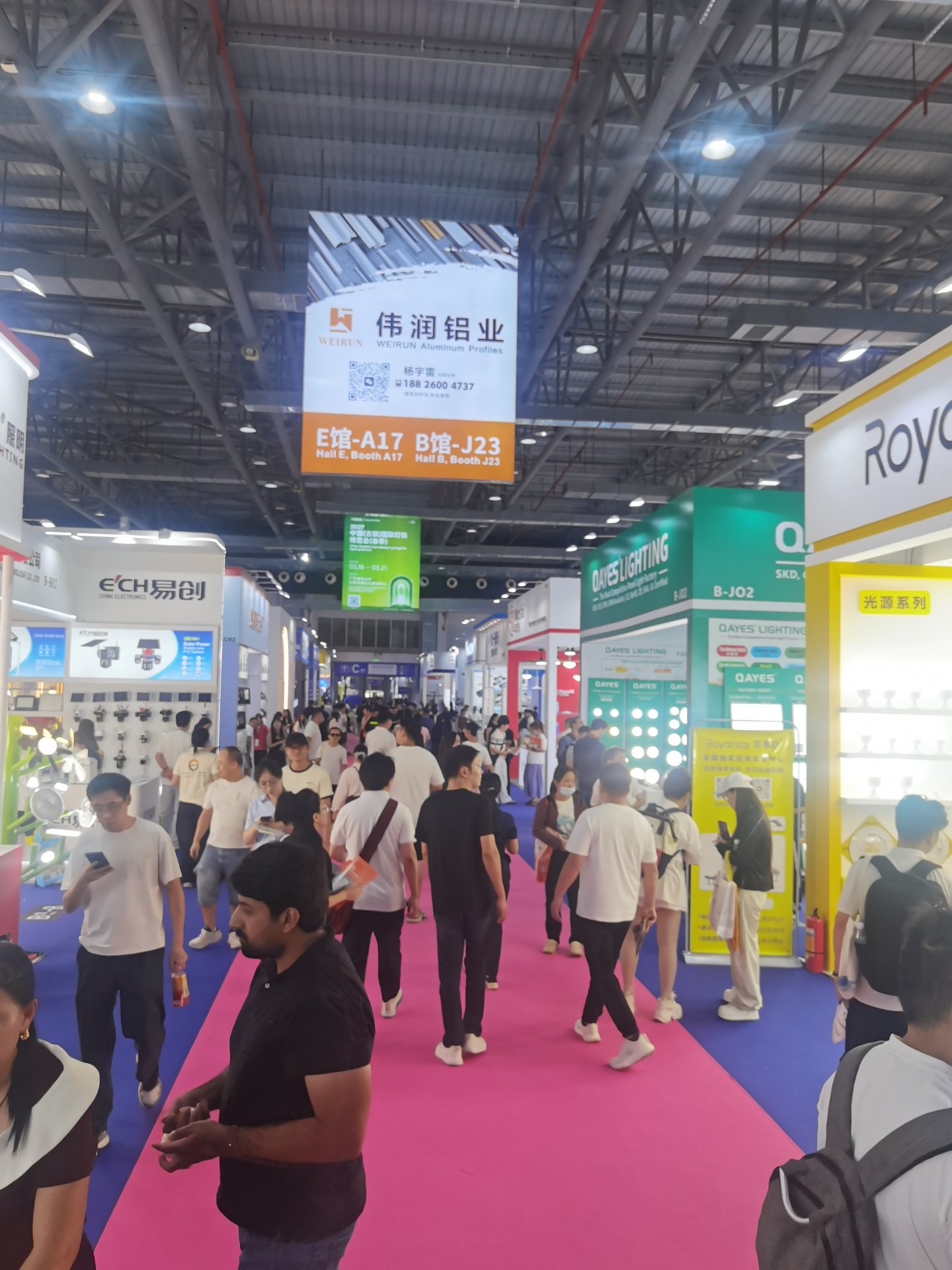
- Crowding and logistics. The main venue was visibly overwhelmed at peak hours — long queues at registration, congested aisles (especially Halls A and H), and heavy traffic around the exhibition center. Visitors relying on shuttle buses between the main venue and the eight sub-venues should budget significant travel time.
- Uneven product differentiation. With 3,600+ exhibitors, whole aisles can look alike — similar downlights, similar panel lights, similar spec sheets. Buyers still need sharp supplier-screening skills; the fair’s volume is both its strength and its noise.
- Transition pressure on smaller factories. New national standards (energy efficiency, hazardous-substance restrictions) raise the compliance bar. Strong brands welcome this; smaller workshops face real cost pressure to re-certify and upgrade.
- Service gaps for first-time overseas visitors. The Hosted Buyer Program is excellent for qualifying buyers, but ordinary walk-in foreign visitors reported limited English-language signage and on-site interpretation outside the main halls.
- Results are still to be proven. As the fair runs through October 25, final transaction data isn’t yet available. The spring 2026 edition drew 107,307 professional visits from 120 countries (overseas visits up 16.1% year-on-year) — a strong benchmark, but each edition must earn its numbers again.
Bottom Line for Global Buyers
If you source lighting — residential, commercial, outdoor, or smart — Guzhen in late October remains arguably the single most efficient place on earth to see the whole supply chain in one trip: 1.5 million square meters of it. The industry’s pivot to AI, health, and green compliance was visible everywhere, and the presence of buyers from 126 countries confirms that China’s lighting supply chain is still very much open for global business.
For buyers planning next visits: the 36th (Spring) edition is scheduled for March 18–21, 2027, at the same venue. Come with a target list, use the official matchmaking services, and — our strong recommendation — reserve time for factory visits in town, because that’s where the real negotiating leverage is.