Tariffs Reshape the Export Landscape: Section 301 Expands to 60 Economies, Canadian Fixtures Hit With 50% Duty — How Should the Lighting Export Chain Respond?
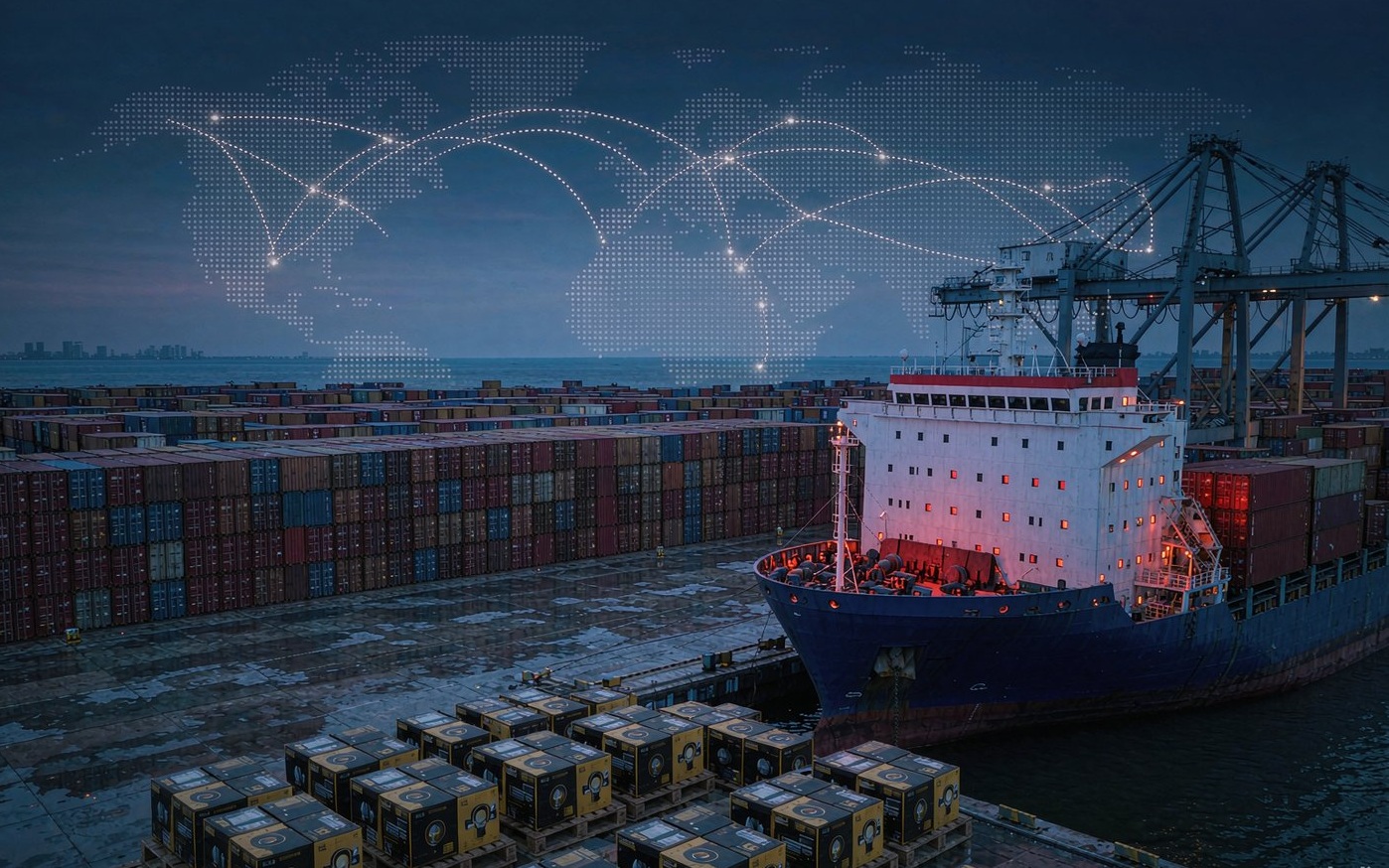
The last six weeks brought more cost and compliance news for the lighting export business than the entire summer combined. New Section 301 coverage, a 50% tariff on Canadian-made fixtures, and a driver price hike wave arrived one after another. For lighting buyers and exporters serving the US market, a quote written before late July may no longer reflect the true landed cost.
Section 301 Expansion: Broad 10%–12.5% Duties Across 60 Economies
According to an American Lighting Association alert, a new Section 301 action took effect on July 24, covering 60 economies including China, Vietnam, Cambodia and Malaysia. LED fixtures and related electrical components are in scope, with added duties generally of 10% or 12.5% (tied to each country’s forced labor rules). Goods already under Section 232 duties and qualifying USMCA goods are excluded.
Practical takeaway: ask suppliers to confirm country of origin and tariff classification line by line, and check how long a quoted price is held — a quote issued before late July may no longer reflect the real landed cost.
50% Duty on Canadian-Made Fixtures; Canada Announces Retaliation
After US–Canada trade talks broke down in late August, the United States imposed a 50% tariff on Canadian-made lighting fixtures effective August 22. It covers five tariff codes for LED fixtures and parts, stacks on top of existing metals duties, and comes without USMCA relief. Canada immediately announced retaliatory tariffs effective September 8.
If your line card includes brands manufacturing in Canada, expect price letters or surcharges, and build extra time into project bids that name those products.
Current Tariff Picture for Chinese LED Fixtures Entering the US
| Component | Rate | Notes |
|---|---|---|
| MFN base rate | ~6% | Most LED fixture tariff lines |
| Section 301 addition | 25% (most lists) / 7.5% (List 4A) | Continues in force |
| IEEPA stacked tariffs | 0 | Struck down by the US Supreme Court in February 2026; no longer collected |
Response Strategies: From SKD Kits to Overseas Plants
Exporters’ responses are diverging along three paths:
- SKD/CKD kits: shipping luminaires as semi/completely knocked-down kits for genuine assembly in the destination market — in some markets this legally reduces duty and saves freight (note: assembly must be real; disguising finished goods to dodge duties is illegal);
- Southeast Asian capacity: Chinese companies are accelerating plant construction in Thailand and elsewhere to shorten overseas supply chains and improve delivery;
- Market diversification: demand for LED products keeps growing in the Middle East, Latin America and Africa, where tariff levels in some countries are actually falling.
One thing is certain: for projects delivering in 2027, lock pricing in writing and write tariff volatility into your contract’s risk clauses.