Introduction
Quality control is an important part of lighting component manufacturing. A component may look correct but still fail to meet its dimensional, material, optical, thermal, or mechanical requirements.
For lighting manufacturers, consistent quality helps reduce assembly problems, improve production repeatability, and minimize the risk of defects in the finished product.
A structured quality-control process begins with clear specifications and continues through manufacturing, inspection, assembly, and final evaluation.
1. Define Quality Requirements Before Production
Quality inspection is only effective when the acceptance criteria are clearly defined.
Depending on the component, the specification may include:
- Material and material grade.
- Dimensions and tolerances.
- Surface finish and color.
- Mounting and assembly requirements.
- Optical or thermal performance.
- Applicable compliance documentation.
- Packaging and identification requirements.
Different components require different inspection priorities. For example, a heat sink may need particular attention to its mounting interface, while a reflector may require careful evaluation of its optical surface.
2. Dimensional Inspection
Dimensional inspection verifies whether a component conforms to its engineering drawing.
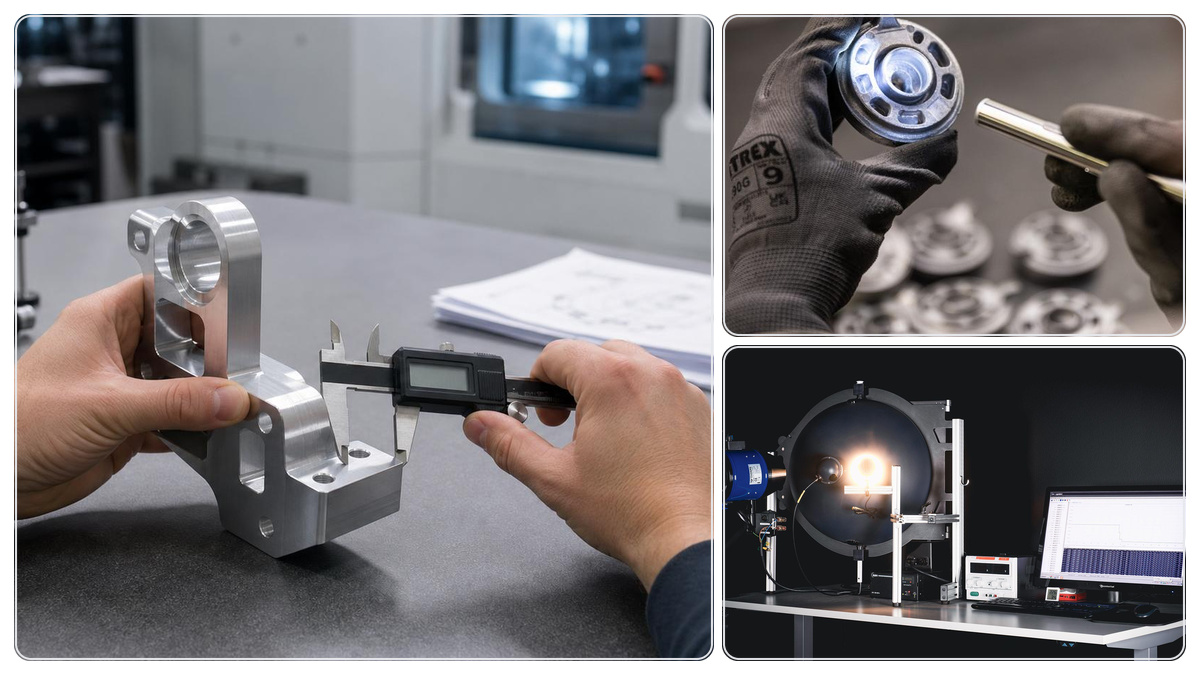
Common inspection tools include calipers, micrometers, gauges, optical measurement equipment, and coordinate measuring machines.
The appropriate tool depends on the feature, required tolerance, and inspection method.
Important dimensions for lighting components may include overall height, diameter, hole position, mounting interfaces, flatness, and component alignment.
Inspection should focus on dimensions that influence function, assembly, safety, or performance.
3. Material and Surface Inspection
Material selection affects the mechanical, thermal, optical, and environmental characteristics of a component.
Quality checks may include reviewing material documentation, confirming material identification, and inspecting the component for visible defects.
Surface inspection can identify scratches, dents, burrs, coating inconsistencies, contamination, and other visible problems.
For components with specific coating or material requirements, visual inspection may need to be supplemented by appropriate measurements or testing.
A consistent inspection environment and documented acceptance criteria help reduce subjective decisions.
4. Optical Quality
For optical components, visual appearance is only one part of quality.
Reflectors, lenses, and diffusers may require evaluation of light distribution, transmission, beam shape, or other application-specific characteristics.
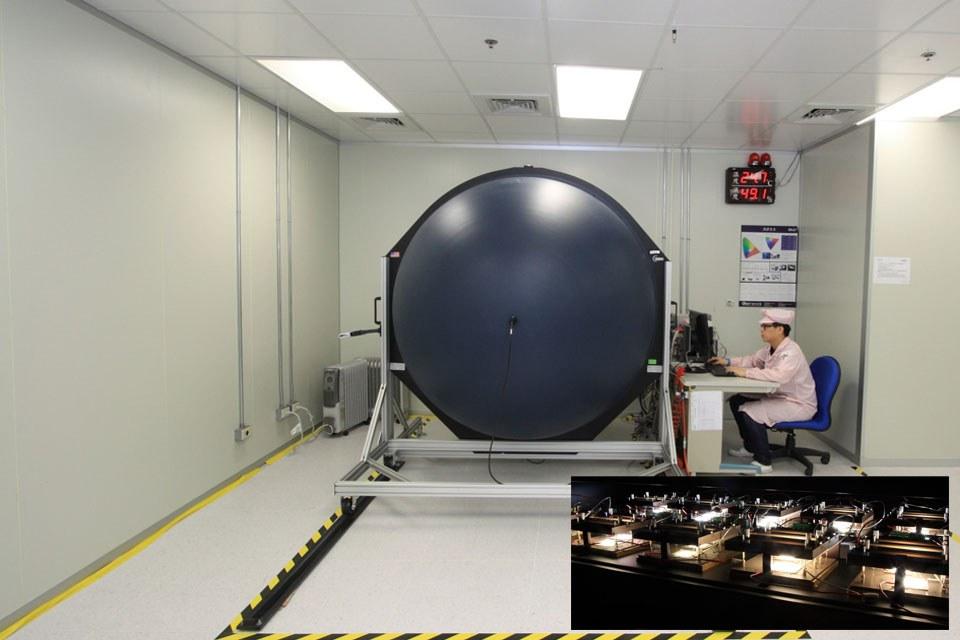
Optical testing should use a suitable setup and clearly defined conditions.
When comparing samples, the LED source, alignment, electrical operating conditions, and measurement arrangement should be controlled to avoid misleading results.
A component that appears visually acceptable may still produce an unsuitable beam when installed in the luminaire.
5. Thermal and Mechanical Validation
Thermal components should be evaluated under representative operating conditions.
For example, a heat sink may be tested with the intended LED mounting board and interface material while operating at defined electrical and ambient conditions.
Mechanical validation may include checking assembly fit, retention features, fasteners, and clearances.
Additional tests, such as vibration or temperature cycling, should be selected according to the product’s intended application and applicable requirements.
The test method and acceptance criteria should be documented before testing begins.
6. Process Control and Production Consistency
Inspecting finished products is important, but controlling the manufacturing process is equally valuable.
Production consistency can be supported through:
- Approved engineering drawings and revisions.
- Defined work instructions.
- Suitable inspection equipment.
- Consistent process settings.
- Material and batch traceability.
- Documented nonconformance handling.
- Corrective action when recurring problems occur.
A change to a material, mold, machining program, coating process, or critical supplier may affect the finished component.
Changes that could influence product conformity should therefore be reviewed and controlled.
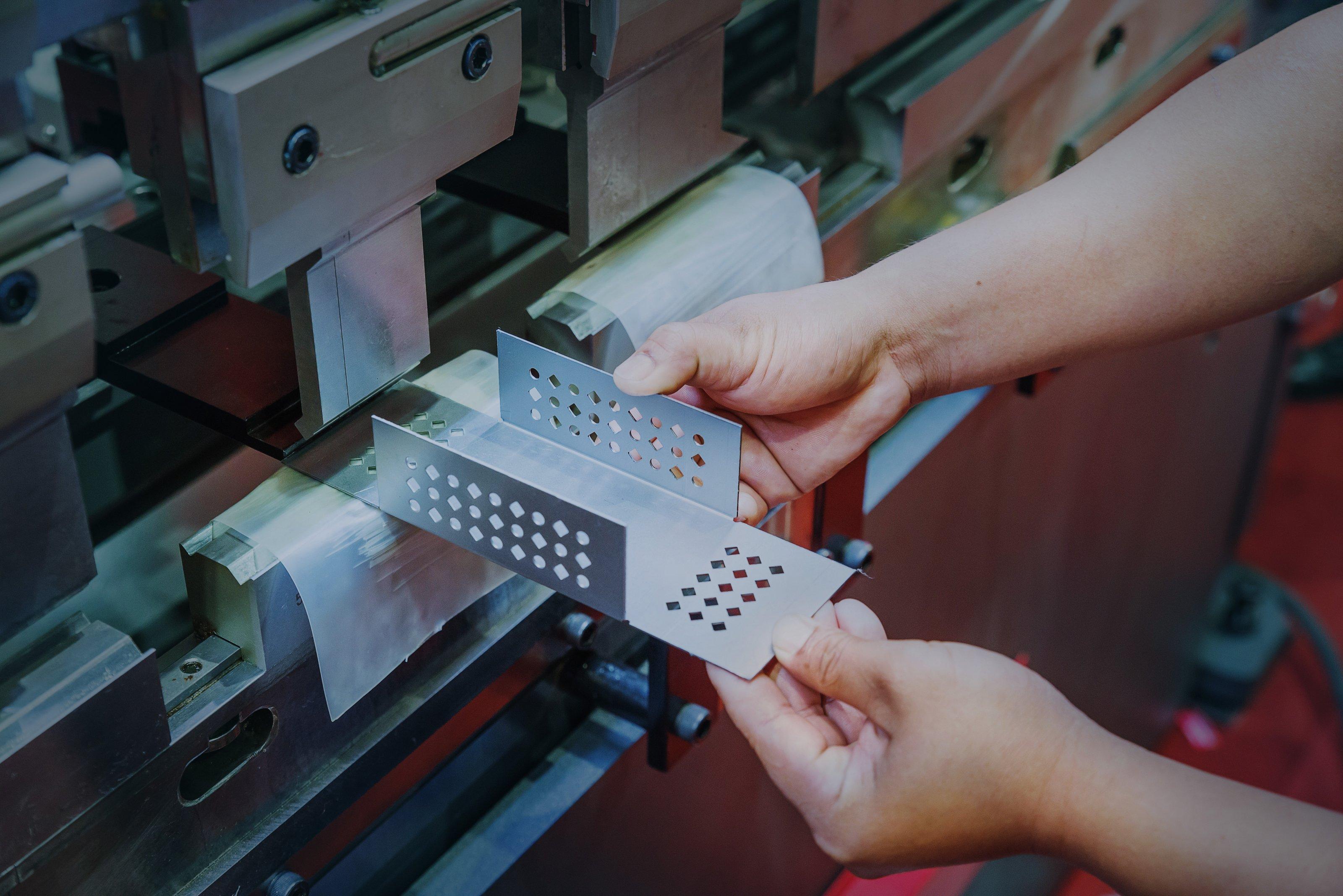
7. Sample Approval and Incoming Inspection
Sample approval allows a customer and supplier to confirm the intended design before production quantities increase.
A practical process includes:
- Reviewing the specification and drawing.
- Inspecting representative samples.
- Confirming assembly compatibility.
- Testing relevant optical, thermal, or mechanical characteristics.
- Recording deviations and agreed corrective actions.
- Identifying the approved sample and revision.
Incoming inspection can then focus on the agreed critical characteristics and the level of risk associated with the component.
The sampling method and acceptance rules should be established in advance rather than chosen after a defect is discovered.
8. Building a Practical Quality Checklist
Before approving a component, consider the following questions:
- Does the part match the approved drawing?
- Are the specified materials and finishes documented?
- Are critical dimensions within tolerance?
- Is the surface condition acceptable?
- Does the component assemble correctly with its mating parts?
- Have relevant performance requirements been tested?
- Are required records and compliance documents available?
- Is the production revision clearly identified?
- Are packaging and transportation requirements defined?
Not every question applies to every part. The inspection plan should reflect the component’s function, risk, and intended use.
Conclusion
Quality control in LED lighting component manufacturing requires clear specifications, suitable inspection methods, process consistency, and appropriate validation.
Dimensional, material, surface, optical, thermal, and mechanical checks address different aspects of product conformity. Together, they help manufacturers identify potential problems before components are incorporated into finished luminaires.
A documented quality process provides a practical foundation for reliable production and long-term supplier cooperation.